Africa-Press – Zimbabwe. By Darlington Gatsi
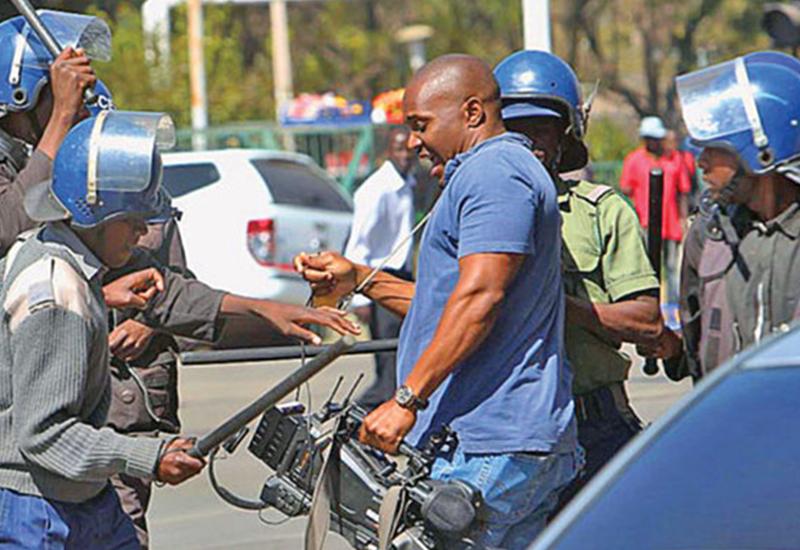
ZIMBABWE’S media policy framework is constricting freedom of journalists in carrying out their mandate, a report by Reporters Without Borders (RSF) has said.
Local journalists recently commemorated World Press Freedom day under the theme Shaping a Future of Rights: Freedom of expression as a driver for all other human rights.
In the report RSF highlighted that Zimbabwean laws are still inhibiting journalists though some laws such as the Access to Information and Protection of Privacy Act (AIPPA).
“Extremely harsh laws are still in effect and, when new laws have been adopted, their provisions are just as draconian as those they replaced. The amended penal code and Official Secrets Act and the new Cyber Security and Data Protection Act continue to hamstring journalism.
“In theory, the confidentiality of sources is protected by law, but that hasn’t been the case in practice. A long-awaited law on freedom of information could see the light of day soon,” read the report.
RSF lowly ranked Zimbabwe on number 126 out of 180 countries in promoting press freedom, an improvement from last year’s 136th position.
RSF further noted in the report that government stranglehold on media is negatively impacting the sector.
“The economic situation in Zimbabwe is holding back development of the media. The cost of creating any new media outlet is prohibitive and discourages investors, while the annual licensing fees for a TV channel can run to tens of thousands of dollars.
“This situation allows the state to maintain its grip on the sector, and nearly 70% of print and broadcast media outlets are still under its control. Poorly paid journalists are exposed to the temptation of bribes, which weakens their independence,” read the report further.
Zimbabwe, two years ago granted television licences to other players reducing monopoly on public broadcaster.
However this has been viewed as superficial as individuals and companies close to the levers of power were granted operating licences.
Zimbabwe Association of Community Radio Stations (ZACRAS) called on the government to promote freedom of media personnel.
“In Zimbabwe, the struggle for press freedom continues and we call on the government to respect and uphold the fundamental right to press freedom and to create an enabling environment for independent and pluralistic media to thrive.
“We believe that a free and independent press is crucial for democracy, development, and human rights, and we stand in solidarity with journalists and media professionals worldwide who continue to fight for these values,” said ZACRAS.
For More News And Analysis About Zimbabwe Follow Africa-Press